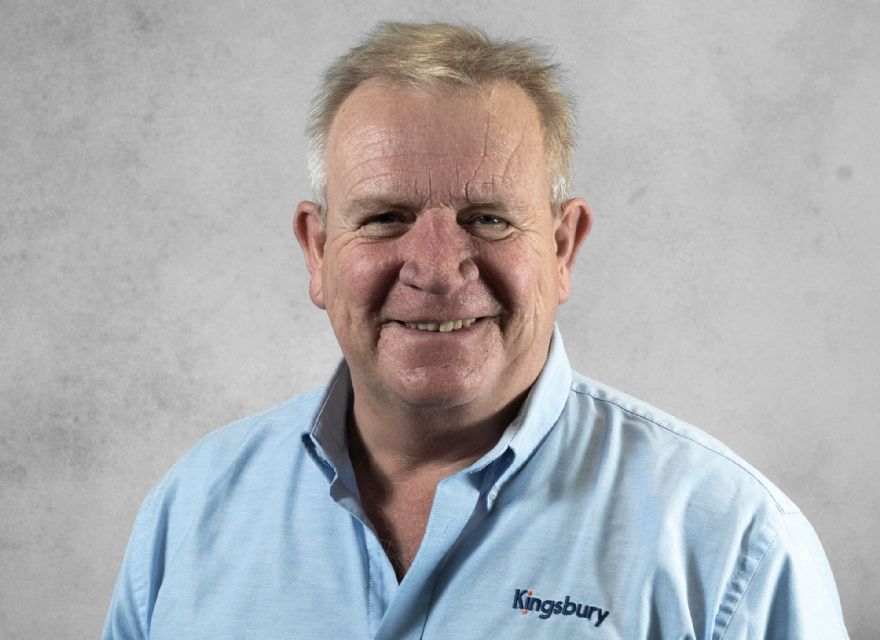
 Pic: Richard Kingsbury is warning of the impact UK steel tariffs will have on industryWith more than 30 years of experience working collaboratively with UK manufacturers, Kingsbury Machine Tool’s managing director, Richard Kingsbury, brings a practical perspective on how policy changes impact day-to-day operations across the industrial supply chain.
Across the country, businesses are already navigating a difficult operating environment. High energy costs, rising employment costs, fragile supply chains, transport, compliance, finance and material costs are all squeezing margins. The challenge is not one single issue, but the cumulative effect of many - with no sign of relief. Against this backdrop, the introduction of new UK steel tariffs has become a growing concern.
What are the new tariffs?From 1 July 2026, the UK Government’s new steel trade measure will reduce tariff-free steel import quotas by 60% compared with the previous safeguard measure and imports above those quota levels will face a 50% tariff.
The intention is to support domestic steelmaking, but this policy will also increase costs and uncertainty for the many British businesses that buy, process and use steel every day.
Who will the steel tariffs impact?Steel does not stop at the point of production. It moves through different industries, making its way into manufacturing, fabrication, engineering, construction, infrastructure and export supply chains. When the cost of steel rises, those costs move through the market.
For steel users, tariffs are not protection. Instead, they translate into higher input cost, reduced sourcing flexibility and increased pressure on already tight margins. In a global market, where competitors may have access to lower-cost materials, the tariffs risk weakening the competitive position of UK manufacturers.
The implications are widespread, practically and financially. Steel pricing also directly affects quotations, contract viability, delivery schedules and project timelines. Ultimately, price increases cannot be easily absorbed but require serious attention and time that manufacturers do not have in this current climate.
UK steel tariffs are not the answerUK manufacturers are already operating in a fragile environment. Make UK’s Manufacturing Outlook for Q1 2026 described the sector as starting the year on a “fragile footing”, with weakening domestic orders, rising employment costs, and energy utilities fragility. Couple this with current geopolitical uncertainty, spanning from ongoing conflict in Ukraine which continues to impact energy markets, to instability in the Middle East adding risk to global shipping. These factors contribute negatively to the competitiveness of UK businesses.
Internally, British businesses are already foreseeing the issues these tariffs will cause. The British Chambers of Commerce has warned that the new steel quota and tariff regime could create “real financial and logistics problems” for downstream industries including construction, engineering and manufacturing.
That concern is well founded, especially for businesses that rely on steel products that cannot be sourced domestically at the right grade, specification, volume or lead time.
If UK manufacturers cannot access the steel they need at commercially viable prices, customers will look elsewhere. Finished goods may be imported instead, investment may move overseas, and work that should support British industry may leave the UK altogether.
This is not an argument against British steelmaking. It is an argument for protecting the whole industrial chain. A successful industrial strategy for the UK must support steel producers and the thousands of manufacturers, fabricators, engineers and contractors that rely on steel to deliver finished products, machinery, infrastructure and critical projects.
The futureThe introduction of tighter steel import controls adds another layer of complexity at a time when the sector is already under strain. For Kingsbury customers and companies across the industry, the immediate priority is maintaining operational continuity in a volatile market.
If the goal is to strengthen British industry, making essential materials more expensive for British manufacturers is the wrong place to start. Protecting British industry should mean protecting the full supply chain, not just one part of it. That is why we believe the impact of steel tariffs on steel users must be taken seriously.