Thirty-five universities from across the UK have joined forces with the
Ministry of Defence (MOD) to create a new Defence Universities Alliance (DUA), a major initiative aimed at strengthening defence-related skills, accelerating research and supporting the development of the UK's future industrial workforce.
The alliance, launched by Defence Minister Luke Pollard MP at the University of Manchester, brings together leading academic institutions, the Armed Forces and government scientific organisations in a move designed to enhance collaboration on research, innovation and workforce development.
The initiative forms part of the Government's wider £182 million defence skills package and is intended to help ensure that students graduate with the knowledge and experience needed to move directly into careers in sectors such as advanced manufacturing, aerospace engineering, artificial intelligence, robotics and cyber security.
Selected from almost 100 applicants, the 35 founding universities will work closely with the defence sector to develop new talent pipelines while supporting research into technologies considered critical to the UK's future security and defence capabilities.
Launching the alliance, Luke Pollard, Minister for Defence Readiness and Industry, said the scheme would help strengthen both national security and the UK's industrial base.
He said: "As we prepare for warfighting readiness, working with universities, students and innovators boosts skills and helps keep our country safe.
"The Defence Universities Alliance will create meaningful connections between students, academia and defence, boosting research, skills and defence expertise across the UK to strengthen industry. Universities play a key role in innovating and supporting defence, and the DUA helps marshal those efforts."
He added that the alliance forms part of a broader government drive to ensure defence spending delivers economic benefits across the country.
"In this new era of threat our £182 million defence skills package is helping to create opportunities for students, apprentices and young people, making sure our historic £298 billion defence investment is an engine for growth across the UK, and building on the more than 272,000 industry jobs supported by MOD spending," he said.
The new alliance has been established through collaboration between the MOD, the UK Armed Forces, the Office of the Chief Scientific Adviser for National Security and the higher education sector. It follows an earlier £80 million MOD investment that funded 2,500 student places across 24 universities and colleges.
For the manufacturing and engineering sectors, the initiative is expected to play an important role in addressing future skills shortages by creating stronger links between universities and employers operating within the defence supply chain. Areas of focus include advanced manufacturing, engineering, digital technologies and emerging defence capabilities.
The launch also comes shortly after the Government announced the creation of five Defence Technical Excellence Colleges, backed by a further £50 million investment to boost skills development in advanced manufacturing, engineering and technology disciplines.
Professor Tim Dafforn, the Ministry of Defence's Chief Scientific Adviser, described the alliance as a significant step forward in the relationship between defence and academia.
He commented: "The Defence Universities Alliance represents a genuinely transformative step forward in how Defence partners with the UK's world-leading academic sector.
"By bringing together our shared expertise, ambition and innovation, the Alliance will help us tackle some of the most complex challenges facing Defence at a strategic level."
He added: "The DUA will fundamentally change the way Defence, universities and industry work together, strengthening our national security, creating strategic advantage and supporting growth to deliver better outcomes for the UK."
The University of Manchester, which hosted the launch event, will be one of several institutions expected to play a key role in supporting future research and skills development activities.
Professor Duncan Ivison, President and Vice-Chancellor of The University of Manchester
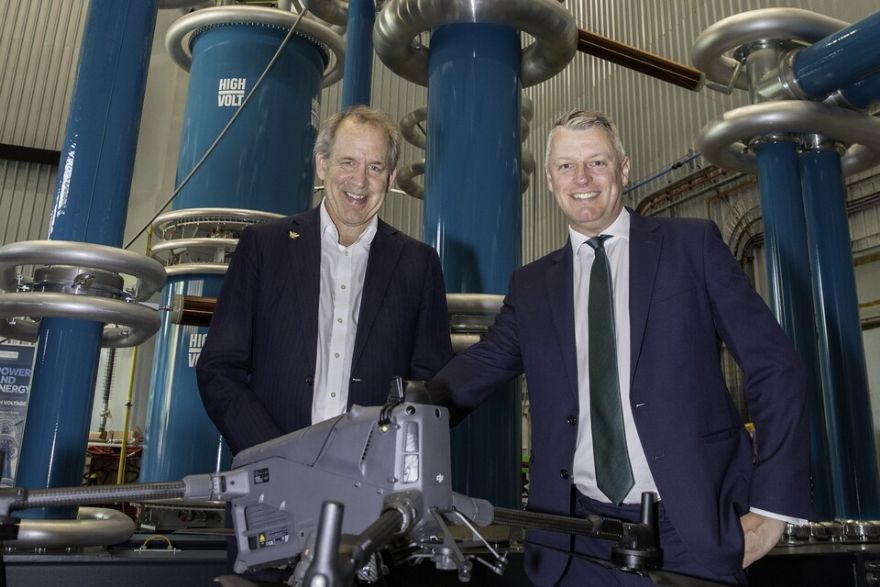
(pictured left with Luke Pollard) said universities have a long-standing role in helping address the country's most pressing challenges.
"The UK's top universities have always played an important role in helping society respond to the challenges it faces," he said. "Today, that means working closely with government and industry to strengthen national security, develop new ideas and technologies, and deliver the skills needed in related industries."
He added that the new alliance would provide a more coordinated approach to collaboration between higher education, government and industry.
Founding members of the DUA include Cranfield University alongside institutions such as Oxford, Birmingham, Warwick, Nottingham, Manchester, Sheffield, Strathclyde, Cardiff, Swansea, Queen's University Belfast and University College London.