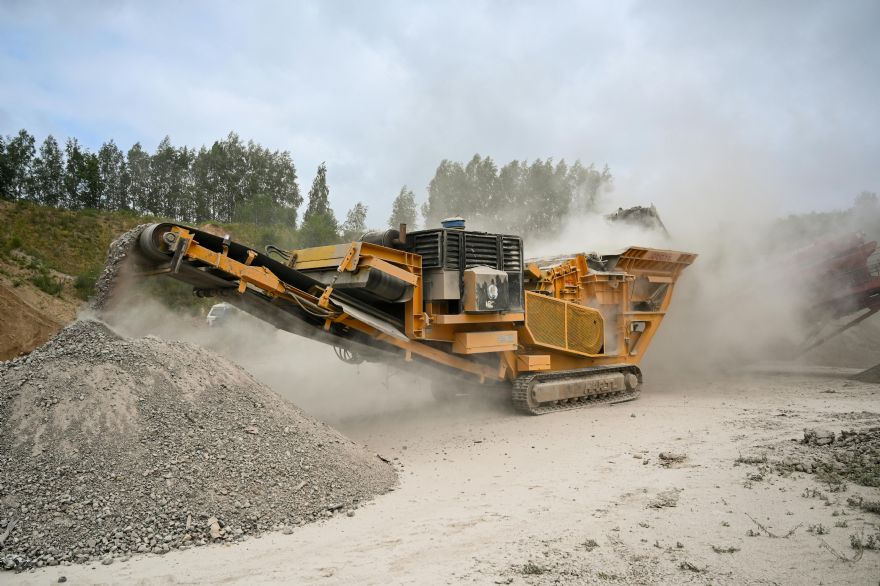
Buying an aggregate crushing machine is a big decision for any business working in quarrying, mining, or construction. The right equipment can help to produce consistent material, reduce downtime, and keep projects moving. Whether the end user is looking at a new crusher or a used option, it is worth taking the time to check the details before committing. A crushing machine is not just a purchase, it is a long-term investment that affects productivity, running costs, and the quality of your output.
Before choosing a crusher, you need to be clear about what material you will be processing. Different machines handle different feed types, from hard granite to softer limestone, and even recycled construction waste. Think about the size of the material going into the crusher, and what size you need coming out. If you need a range of finished products, you may also need screening equipment alongside the crusher. Knowing your target output will help you choose the right crushing setup from the start.
Aggregate crushing machines come in several main types — each suited to different stages of processing. Jaw crushers are often used for primary crushing, handling large rocks at the start of the process. Cone crushers are common for secondary crushing, producing more refined material. Impact crushers can be useful when shaping aggregate or dealing with softer materials. The best choice depends on your application, the hardness of the material, and the production level you need.
One of the most important checks is whether the crusher can meet your expected output. Capacity is usually measured in tonnes per hour, but real performance depends on the material, feed size, and setup. If a machine is too small, it may slow down your operation. If it is too large, you could be paying more than necessary in fuel and maintenance. Ask for realistic capacity figures based on your material type, not just brochure numbers.
Inspect build quality and wear partsCrushers work in tough conditions, so build quality matters. Look closely at the frame, crushing chamber, and key wear areas. Wear parts such as jaw plates, blow bars, and liners will need replacing over time. It is worth checking how easy they are to access and how available replacements are. A machine with hard-wearing components and good support can save a lot of time and cost over its working life.
Some crushing machines are fixed installations, while others are mobile or track-mounted. Mobile crushers can be ideal for contract work or sites that change frequently. Think about how the machine will fit into your current operation. Will it be part of a full crushing and screening plant, or a standalone unit? Also consider space, transport needs, and how quickly the machine can be set up on site.
If you are buying a used aggregate crushing machine, service history is one of the most important checks. Ask for maintenance records, previous usage details, and any refurbishment work that has been done. A well looked after machine can still offer excellent value, but a neglected one may lead to costly repairs. It is also a good idea to inspect the machine in person or have an expert assessment carried out before purchase.
Look at running costs and efficiencyThe purchase price is only one part of the cost. Fuel use, power requirements, wear part replacement, and servicing all affect long-term expenses. Modern crushers may come with features that improve efficiency, such as automated settings, load monitoring, or improved drive systems. Understanding the full running cost helps you make a smarter decision, especially for high-output quarrying or mining operations.
Reliable support is just as important as the machine itself. Before buying, check what level of after-sales service is available. Can the supplier provide spare parts quickly? Do they offer servicing, repairs, or on-site support? If you are working to tight project deadlines, fast response times matter. A supplier that offers hire options, servicing, and contract support can be a strong partner beyond the initial sale.
Aggregate equipment must meet UK safety standards, and the machine should include proper guarding, emergency stops, and safe access for maintenance. Noise and dust control may also be important depending on your site and industry regulations. From
aggregate jaw crushers to cone crushers, choosing equipment that supports safe operation helps protect your team and keeps your site running smoothly.
Buying an aggregate crushing machine is about finding the right balance between performance, durability, and support. By checking material suitability, crusher type, service condition, and long-term running costs, you can invest with confidence. Whether you are supplying materials for construction, running a quarry, or taking on contract crushing work, the right machine will help you produce quality aggregate and keep your business moving forwards.