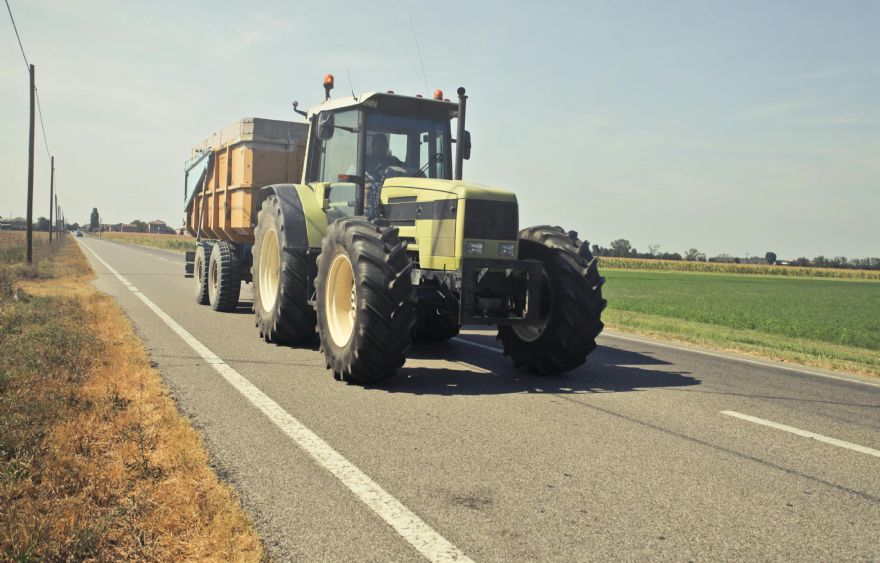
Photo by Andrea Piacquadio on pexels.com
Modern construction and agricultural machinery has evolved from mechanical systems into electronically controlled assets managed by multiple ECUs governing engine performance, emissions, hydraulics, and transmission behavior. As machine complexity increases, precise diagnostics become essential for maintaining uptime and protecting high‑value equipment.
Dealer‑level diagnostic platforms give technicians full visibility into machine health, enabling accurate OEM fault code reading, live data monitoring, calibrations, aftertreatment resets, and module communication checks—capabilities once limited to dealerships. This access shifts maintenance from reactive repairs to proactive lifecycle management.
With equipment worth hundreds of thousands, unplanned downtime carries major financial impact, from missed project deadlines to lost harvest windows. Early detection of injector imbalance, DPF irregularities, hydraulic drift, or transmission adaptation issues prevents small variances from escalating into costly failures.
Construction machinery operates under extreme vibration, dust, heat, and variable loads. Full diagnostic access allows verification of hydraulic pressure, boost performance, emissions efficiency, module sync, and safety system integrity, letting fleets schedule maintenance around project phases rather than equipment failures.
Agricultural operations depend on reliable performance during narrow seasonal windows. Advanced diagnostics support rapid fault isolation, regeneration management, transmission and fuel system validation, and sensor integrity testing—reducing dependency on delayed dealer support during peak work-load periods.
Access to
OEM heavy equipment diagnostic tools delivers faster turnaround, lower service costs, stronger fleet control, and improved asset longevity. As machinery becomes increasingly software‑driven, diagnostic capability becomes a strategic advantage, supporting data‑driven maintenance, calibration confirmation, configuration checks, and fleet‑wide parameter comparison.
Dealer‑level diagnostic tools are now essential infrastructure for modern operators, ensuring uptime, protecting capital investment, and maximizing long‑term fleet performance."