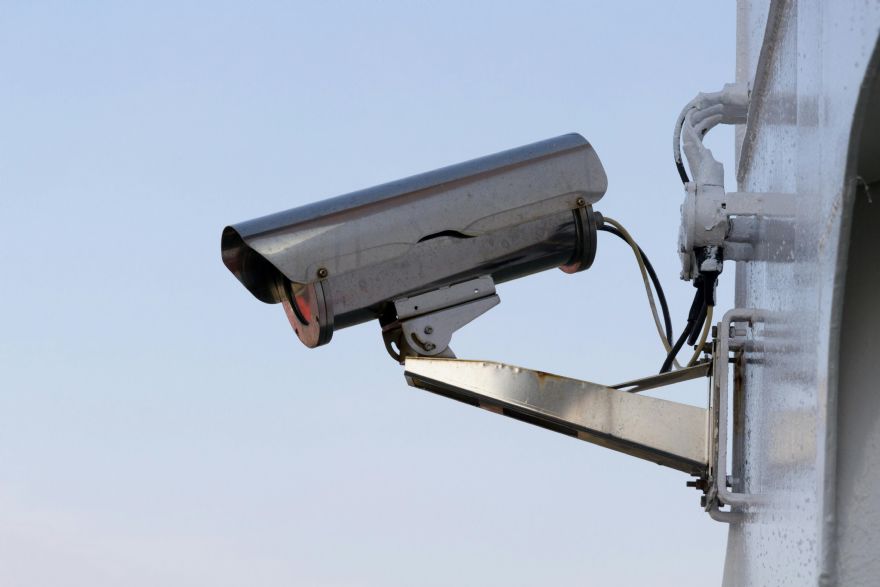
 Photo courtesy of Pixabay
Business growth creates many opportunities for manufacturers, with the rewards of higher-tier partners, new customers and greater market visibility among the benefits as firms scale up. But expansion also gives them the opportunity to revisit siloed teams and data sources, and integrate them into the wider business.
One often-overlooked area is physical security and site protection, especially with so much focus on
growing cyber threats. At the physical security layer, growth-focused leaders can treat teams and processes as a strategic investment, rather than an after-thought. This moves security away from a defensive cost centre to a strategic asset that can increase awareness and visibility, safeguard operational continuity, maintain team trust, and accelerate growth.
Taking the layered security approachThe move from point or monolithic security to a smart and layered approach is enabled by AI technology featured in modern access control solutions. Featuring
industrial security cameras, ID scanners, automated door locks, cloud or on-premise management, and integration with other applications like numberplate recognition systems, companies can build a flexible approach to their site protection that will enable future growth and adaptability.
The layered model aligns protection features with the needs of each part of your site, warehouse zone or other area. High‑value areas can sit behind multiple layers of physical and digital site protection, while advanced features like face tracking, behavioural analysis and other elements can identify more subtle risks to the business beyond a guest straying too far beyond their permitted access rights.
The layer and risk-based model provides blended layers of physical deterrence like fences and locked doors, operational controls like visitor management, contractor vetting and access permissions, plus technology layers including digital analytics, intrusion detection and geofencing to defeat most attempts at unwarranted entry.
This approach drives investment that is proportional to risk, avoids over‑engineering low‑impact areas, and creates a scalable framework that can expand with the site. At the same time, integrating
logistics scheduling software ensures that delivery windows, loading bays and site traffic remain aligned with security protocols, reducing congestion and vulnerability during peak periods. It also gives leadership a clear, auditable rationale for protection decisions—critical when engaging insurers, regulators, or board stakeholders.
Integrating security with operational technologyIncreasingly, all manufacturers and business markets are adopting robotics, the Internet of Things (IoT) sensors and connected machinery. Plenty of examples will be on show at the upcoming
Smart Manufacturing Week in June. This approach sees the boundary between physical and digital protection fading away. As it becomes more diffuse, businesses are at risk from a single weak point, either on the digital or physical side. One hacked access point can become a cyber entry point that triggers physical disruption to the manufacturer.
Leaders expanding their sites should treat OT resilience and physical security as a single ecosystem, ensuring that exposed facilities like warehouse laptops, tablets and IoT devices are covered from the physical as well as the digital perspective. For security leaders, this approach requires an integrated design across control and access systems and identity management platforms. Segmented IT networks to ensure the CCTV and physical security systems are protected.
These plans and schemes also need strong and regular testing through joint physical and cyber risk assessments to prove that one system protects the others, and both provide comprehensive protection across the business. This approach helps manufacturers reduce blind spots and creates a more responsive, intelligence‑driven protection posture, which can grow as the business expands.
Build a culture of awareness and protectionMany workers consider security and AI as intrusive technologies. The new systems must be explained across all levels of the business as highly-functional protective features. Expansion brings new staff, contractors, and partners on site, and each type needs to know their responsibilities for security and how it protects them and ensures their safety. Leaders who take the time to embed security and digital protection into the culture, rather than treating it as an overseer add‑on, will benefit from stronger worker compliance, fewer security or productivity incidents, and workers who are more aware of the risks that face the business.
Effective cultural drivers and reinforcement techniques include: Clear, role‑specific onboarding for all site entrants and levels of worker; regular scenario‑based tests and drills that reflect real operational risks; visible leadership involvement in safety, with security walkarounds; and recognition of proactive reporting and risk awareness efforts.
In summary, physical security remains a key feature across manufacturing and production sites, but must be integrated into the business to ensure that it is not left behind or in the hands of a small group when it comes to driving safe and secure operations around the business.