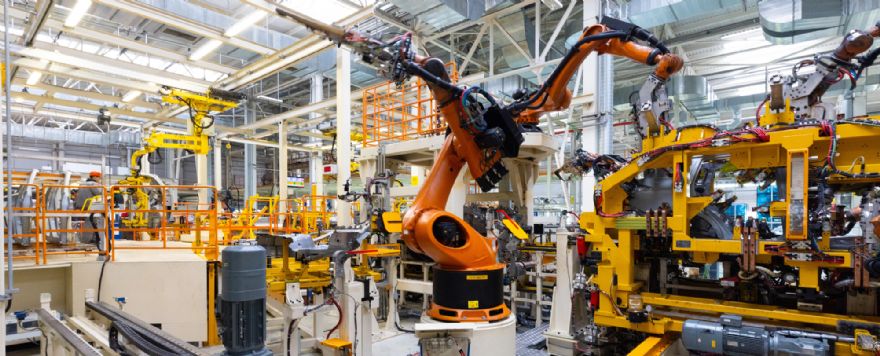
Industrial automation systems are designed to
operate for many years, often decades. While this durability benefits manufacturers, it can create challenges when components eventually fail. Many factories continue to run production lines using legacy automation equipment, including older PLCs, drives, sensors, and control modules. When a component breaks down, sourcing the correct replacement part quickly becomes a priority.
Finding legacy automation parts requires a structured approach. Engineers, maintenance teams, and procurement departments can significantly reduce downtime by following a few key steps when searching for discontinued or difficult to locate components.
Start by confirming the exact part codeThe most important step when searching for legacy automation parts is identifying the correct part code. Industrial components often have very similar product numbers, with only minor differences separating compatible and incompatible models. The part number is usually located on the product label attached to the device itself. This label may include additional information such as revision numbers, firmware versions, or manufacturing codes. All of this information can be important when sourcing a replacement.
Even a small difference in the part code can result in ordering the wrong component. For example, certain PLC modules may have different communication protocols or memory capacities despite appearing almost identical. Taking the time to verify the exact code ensures the replacement will integrate properly with the existing system.
Check the manufacturer’s websiteOnce the part number has been confirmed, the next step is to visit the manufacturer’s website. Many automation companies maintain product archives that include documentation, specifications, and information about discontinued models. Even if the product is no longer manufactured, the manufacturer may provide guidance on recommended replacements or compatible alternatives. Datasheets, manuals, and technical drawings can also help engineers confirm that the identified component is correct.
In some cases, manufacturers will list the lifecycle status of their products. Terms such as “active,” “mature,” “discontinued,” or “obsolete” indicate where a component sits within the product lifecycle. Understanding this status can help determine whether the part is still available through official distribution channels.
Search using industrial automation cataloguesSpecialised industrial automation catalogues can be valuable resources when searching for legacy components. These platforms often compile thousands of parts from multiple manufacturers, allowing engineers to search using a part number or product description. Using online catalogues simplifies the process of identifying suppliers who may still have stock available. Some platforms also provide detailed product pages that include specifications, images, and compatibility information.
This type of searchable catalogue is particularly useful for maintenance teams working under time pressure. Instead of contacting multiple suppliers individually, engineers can quickly check whether a component is available from a trusted source.
Consider compatible or replacement modelsWhen a legacy automation part is no longer available, it may still be possible to use a compatible replacement. Many manufacturers release updated versions of older products that maintain similar functionality while improving performance. However, replacing a legacy component with a newer model requires careful evaluation.
Differences in firmware, communication interfaces, or power requirements could affect system compatibility. Reviewing technical documentation and consulting with automation specialists can help determine whether a substitute part will function correctly within the existing control system. In some cases, minor programming adjustments may be required when installing an updated module or controller.
Check independent automation parts suppliersIndependent automation parts suppliers play an important role in maintaining older industrial systems. These companies specialise in sourcing, stocking, and supplying discontinued or hard to find components from major automation manufacturers. Because they focus on legacy equipment, these suppliers often have access to inventory that is no longer available through traditional distribution channels.
This can include surplus stock, refurbished equipment, or carefully inspected used components. For maintenance teams facing urgent breakdowns, these suppliers can be a crucial resource when original manufacturers no longer produce a specific part.
Jonathan Craddock from
www.cjsautomation.com highlights the importance of accessible part databases when searching for older equipment. He explains, “Many manufacturers still operate machinery that relies on older control components. Engineers can quickly check legacy part availability through online catalogues, which helps maintenance teams identify whether critical parts are still obtainable before production is affected.”
Monitor industrial part auctions in advanceAnother strategy that can help manufacturers secure legacy automation parts is
monitoring industrial equipment auctions before a failure occurs. When factories upgrade production lines or close facilities, surplus automation components are often sold through specialised auctions. These auctions can include PLC modules, operator panels, drives, communication cards, and other legacy equipment that may no longer be produced by manufacturers. By monitoring auction listings in advance, maintenance teams may be able to acquire spare components at a time when they are not urgently needed.
This proactive approach provides two advantages. First, it allows organisations to secure parts while they are still available in the secondary market. Second, it helps companies avoid the pressure of trying to source critical components during an unexpected breakdown. Engineers who regularly review industrial auction platforms can build a small inventory of hard to find parts that support the long term reliability of their automation systems.
Maintain internal records of installed equipmentOne of the most effective ways to simplify future part searches is maintaining accurate records of installed automation equipment. Many facilities keep asset registers that list the PLCs, drives, sensors, and modules installed across production lines.
These records should include part numbers, firmware versions, installation dates, and supplier information. When a component fails, maintenance teams can immediately identify the correct replacement without needing to remove equipment or manually inspect labels. Digital asset tracking systems can also help organisations monitor product lifecycle information and plan upgrades before parts become difficult to obtain.
Planning ahead to reduce downtimeLocating legacy automation parts becomes much easier when manufacturers plan ahead. Keeping critical spare components on hand can prevent extended downtime when a failure occurs. In high volume production environments, even a short interruption can have significant financial consequences. By identifying key automation components that are no longer actively manufactured, companies can proactively secure spare units while they remain available. This approach allows maintenance teams to respond quickly when equipment problems arise.
Although legacy automation systems continue to power many production lines, sourcing replacement parts requires preparation, research, and access to reliable suppliers. By verifying part codes, consulting manufacturer documentation, and using trusted automation catalogues, engineers can significantly improve their chances of locating the components they need and keeping industrial operations running smoothly.