Materials testing systems manufacturer
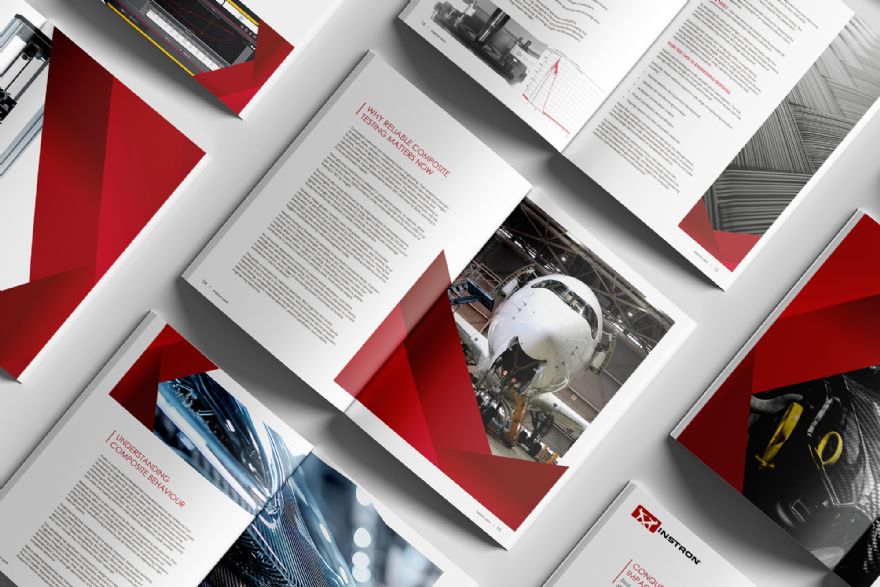
Instron has launched a new technical whitepaper to help engineers improve confidence in the qualification of composite materials for safety-critical applications. The guide, ‘Conquering composite impact performance’, explores best practices for crashworthiness, compression after impact testing and damage characterisation, and examines how standardised testing methods help engineers evaluate impact damage while generating the reliable data needed throughout product development.
Demand for lightweight structures continues to grow across aerospace, automotive, renewable energy and advanced manufacturing, driving increased use of advanced composite materials. Their high strength-to-weight ratio and design flexibility make them attractive alternatives to traditional materials, although complex failure mechanisms mean internal damage is often difficult to detect through visual inspection alone.
The whitepaper explains the principles behind composite material behaviour, the importance of repeatable testing practices and the role of recognised standards including ASTM D3039, ASTM D7136, ASTM D7137 and ISO 18352. It also explains how impact testing and Compression After Impact (CAI) testing complement one another when assessing damage tolerance and residual structural performance.
Andrea Incardona, application engineer at Instron and author of the whitepaper, said: “One of the biggest challenges with composite structures is that damage is not always proportional to what can be seen on the surface. A relatively minor impact may leave only a small visible mark while significantly reducing residual strength within the laminate. That makes repeatable testing and recognised standards essential when engineers need to understand how a structure will perform beyond the initial impact event.”
As manufacturers continue to develop increasingly lightweight and high-performance structures, confidence in composite performance depends on confidence in the data used to characterise them. The guide provides practical guidance on developing robust composite testing programmes while demonstrating how recognised testing standards support material qualification, product certification and ongoing innovation.
Engineers, materials scientists and laboratory professionals involved in composite development can download the full whitepaper from Instron's website to learn more about best practices for composite impact testing and damage characterisation.
Download ‘Conquering composite impact performance’ for free by clicking
here.