The Royal Navy is set to bolster its mine countermeasures capability following the award of a £142 million contract for a new fleet of advanced unmanned underwater vehicles (UUVs), supporting UK jobs and furthering the service’s transition towards a future Hybrid Navy.
The agreement will see the Royal Navy acquire
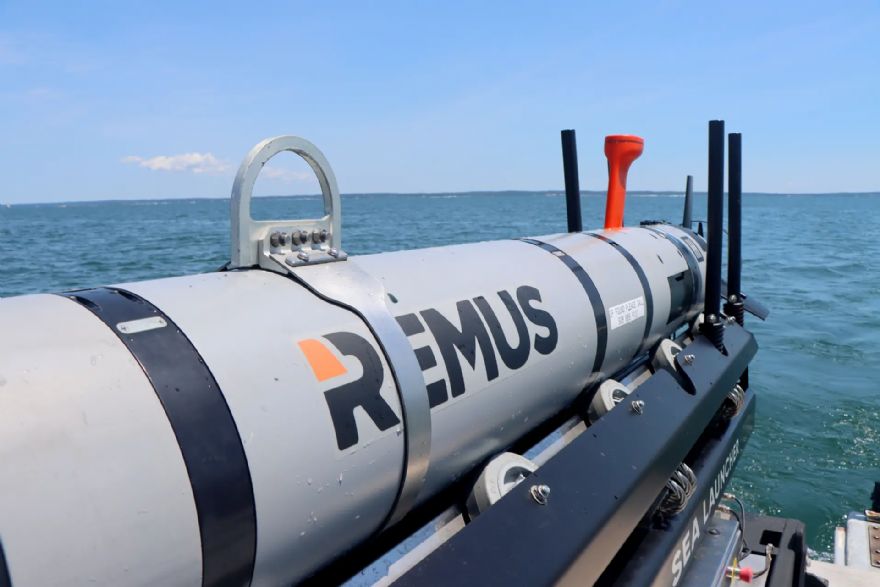
HII’s REMUS 620 UUVs, autonomous underwater systems designed to detect and support the disposal of sea mines while reducing the risks faced by personnel operating in potentially hazardous waters. The investment is intended to strengthen the UK’s ability to safeguard vital shipping lanes and maintain freedom of navigation, an increasingly important requirement amid growing global security challenges.
Capable of travelling at speeds of up to 8kt, diving to depths of 600m and operating for as long as 110hr on a single mission, the REMUS 620 systems will enable mine hunting missions to be conducted more safely, quickly and efficiently. By deploying uncrewed vehicles into potentially mined waters ahead of crewed vessels, sailors can remain at a safer distance from immediate threats while gathering critical intelligence from beneath the surface.
The contract, awarded to HII following an international competition, covers the vehicles themselves along with associated equipment and support services. It will also support jobs in the UK, including at Portchester, while bringing specialist support capabilities into Britain.
The new UUVs will work alongside UK-developed
SeeByte SeeTrack and Neptune software systems already in service with the Royal Navy. The combination is expected to build on previous British investment in mine hunting technologies and autonomous maritime capabilities.
Defence Secretary Wes Streeting MP said the investment reflects the Government’s commitment to strengthening the nation’s security while embracing advanced technology.
“This investment strengthens our ability to protect freedom of navigation, which is critical to our security and our economy,” he said.
“By using the biggest sustained increase in defence spending since the Cold War to put the latest technology in the hands of our sailors, we are taking them out of harm’s way and giving them the tools to keep vital shipping routes open, keeping us all safe in a more dangerous world.”
The procurement forms part of the Royal Navy’s wider transition towards a Hybrid Navy, where conventional crewed ships will increasingly operate alongside autonomous, remotely operated and uncrewed systems across the maritime domain.
The latest announcement follows a £90 million UK-Norway agreement for three new mine hunting mother ships, designed to support autonomous mine countermeasure operations. Together, the programmes aim to create a more flexible and effective approach to locating and neutralising sea mines while reducing risks to personnel.
Duane Fotheringham, president of HII’s Unmanned Systems group, welcomed the contract award, saying: “HII is proud that the Royal Navy has selected the REMUS UUV and Sea Launcher to support its critical mine countermeasures missions.
“This selection reflects the Royal Navy’s confidence in our proven technology and our shared commitment to maritime security. We are honoured to support the Royal Navy and to help keep sailors out of harm’s way.”
The Royal Navy already employs REMUS vehicles for tasks including mine detection, seabed surveys and the location of wrecks. Equipped with sonar systems capable of mapping large underwater areas, the platforms allow analysts to assess collected data remotely, reducing the need for sailors or divers to enter dangerous minefields.
The investment also aligns with the Government’s Defence Investment Plan, which includes plans to spend more than £5 billion on autonomous and uncrewed systems by 2030, representing the largest drone-related investment programme in UK defence history. With maritime autonomy playing an increasingly prominent role in future naval operations, the REMUS 620 acquisition marks another significant step in modernising the Royal Navy’s mine warfare and maritime security capabilities.