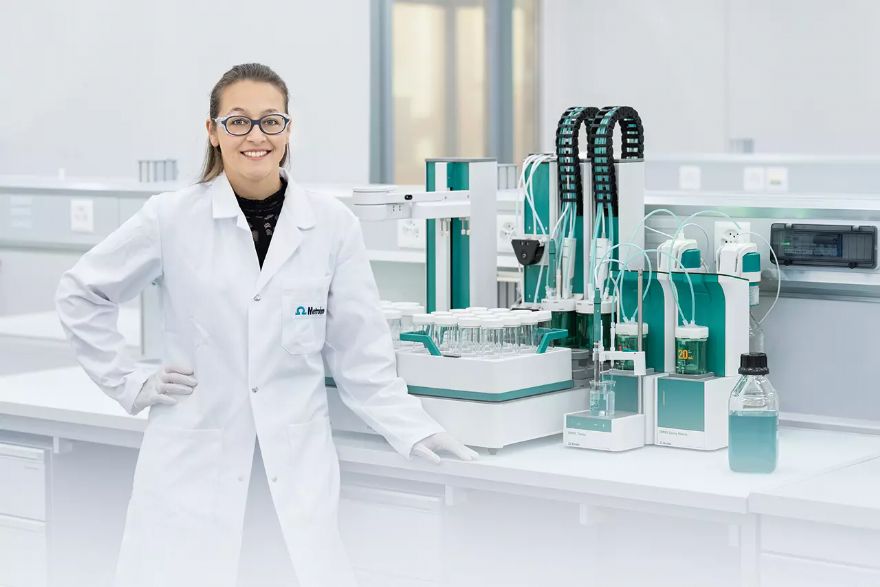
Chemical analysis has become a cornerstone of modern manufacturing, reshaping how factories monitor quality and optimise production. Across metalworking facilities in the UK, precision measurement tools are redefining quality control protocols and boosting production efficiency.
Fast and accurate chemical testing now plays a vital role in helping manufacturers meet industry standards and satisfy customer expectations. The integration of chemical analysis into manufacturing supports product quality, regulatory compliance, and operational safety. As product safety and adherence to regulations remain critical, chemical analysis has established itself as an indispensable part of the sector. These tools not only optimise chemical usage but also maintain consistent product quality—an essential factor for competitive operations.
Metal manufacturing faces mounting challenges in maintaining quality control. Tighter tolerances, stricter regulations, and competitive pressures demand more precise chemical analysis than ever before. Traditional methods such as manual titration and spot testing are giving way to automated systems that deliver superior accuracy.
This shift is evident in the adoption of modern process control instrumentation. Manufacturers seeking accuracy and detailed chemical feedback increasingly turn to solutions like the
potentiometric titrator from Metrohm, which elevates titration from basic laboratory testing to an integral part of production workflows. Historically, manufacturers relied on visual inspection and basic chemical spot tests for quick, low-cost checks on obvious defects. These methods involved observing colour changes, surface appearance, or simple reactions to flag potential issues.
Today, automated titration systems analyse multiple samples rapidly and provide detailed data on chemical composition, significantly improving quality assurance in metal processing. The impact of this development is most apparent in processes where precision is critical. Heat treatment, surface finishing, and alloy production all depend on meticulous chemical control. In electroplating operations, for example, the concentration of metal ions, acids, and additives must remain within narrow ranges to ensure consistent results.
Important applications of titrationTitration plays a pivotal role in numerous metalworking applications. Acid bath concentration monitoring is among the most common, ensuring precise conditions for metal surface treatment. Maintaining accurate acid concentrations is essential for achieving uniform results. Electroplating solutions represent another major application. Potentiometric titration checks metal content, verifies acid levels, and monitors additives in plating baths.
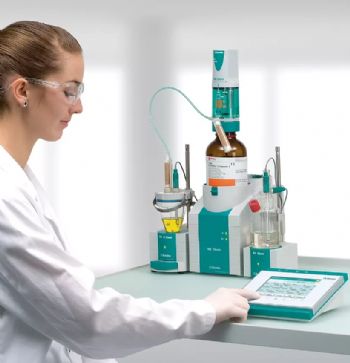
These steps guarantee that coatings meet thickness requirements and adhere properly. Metalworking fluids also benefit from titration analysis, as they contain corrosion inhibitors that protect both workpieces and machine tools. Regular testing ensures inhibitor concentrations remain within effective ranges.
Titration technology enables manufacturers to maintain consistent acid bath concentrations for metal etching processes. Keeping chemical parameters within set limits ensures uniform surface finishes and proper preparation for subsequent coatings. Automated titration systems help prevent fluctuations that could compromise product quality or equipment longevity.
Real-time monitoring further enhances process stability, with integrated systems capable of issuing alerts or triggering automatic dosing when parameters drift outside acceptable ranges. Modern titration systems now integrate seamlessly with manufacturing execution systems, allowing immediate process adjustments. This connectivity ensures that chemical control remains precise and responsive throughout production.
Automation transforming manufacturing analyticsThe transition from manual to automated titration marks a significant leap forward in manufacturing analytics. Traditional methods required skilled technicians to perform time-consuming procedures, while modern systems complete analyses in minutes with minimal operator involvement. Automation reduces human error and increases repeatability, eliminating variations caused by differences in technique. Connectivity has also advanced. Today’s titrators link directly to factory computer systems, feeding data into digital records and reducing errors from manual entry. This integration supports streamlined operations and improved traceability.
Titration data now flows directly into statistical process control systems, enabling manufacturers to identify trends before they escalate into problems. Tracking chemical parameters over time reveals gradual shifts that may indicate equipment wear or contamination. Trend analysis supports predictive maintenance and quality forecasting, helping manufacturers act before product quality suffers. Automated data capture also simplifies regulatory documentation, providing digital records that ease audits and compliance checks.
Integrating advanced titration instruments into production environments presents unique challenges. Equipment must withstand vibrations from nearby machinery, irregular airflow, and temperature fluctuations. Training requirements also differ: laboratory staff often have extensive analytical chemistry backgrounds, while shop floor operators may need more intuitive interfaces. Successful implementation depends on systems designed for ease of use and durability.
Calibration and validation protocols must adapt to industrial settings. While laboratory titrators may undergo weekly calibration, this is impractical in 24/7 production environments. Manufacturers require systems that maintain accuracy with less frequent calibration. Despite these challenges, UK facilities report tangible benefits from automated titration systems, including reduced chemical consumption and waste.