Manufacturing 80% of stents used worldwide, 50% of ventilators used in acute hospitals and 25% of injectable devices used by diabetes patients, Ireland has established itself as a leading player in the global med-tech sector and this has come about through decades of strategic investment.
Francis Wong, business development manager at drive system supplier
Electro Mechanical Systems (EMS), explained: “Government initiatives, such as establishing Ireland’s
Foreign Direct Investment Agency (IDA) and compliance with international standards like ISO 13485 have fostered a highly supportive environment for med-tech innovation.
“Combined with a well-educated workforce, this has drawn multinational corporations to its shores. Today, Ireland is home to over 450 med-tech companies, including 18 of the world’s top 35 industry leaders. This ecosystem supports over 45,000 jobs and generates 13 billion euros annually in exports, positioning Ireland as Europe’s second-largest med-tech exporter.”
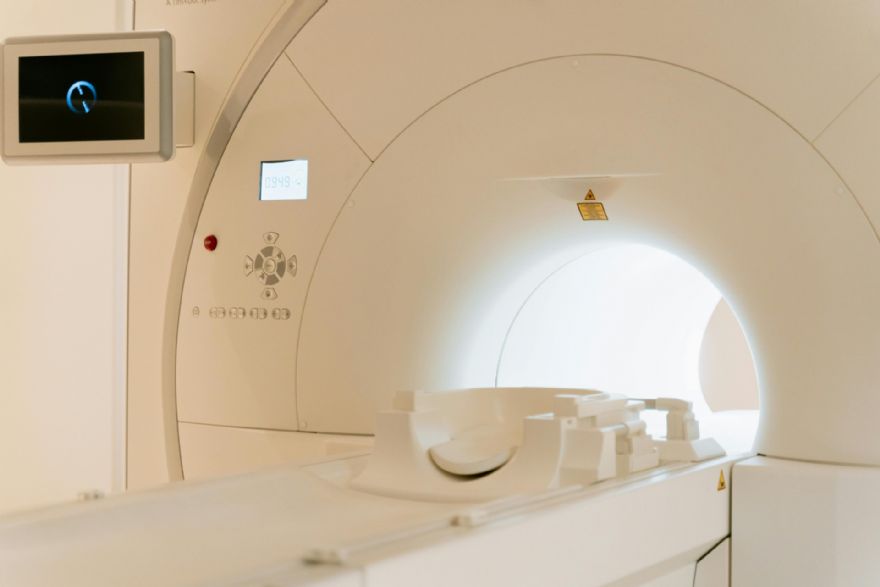
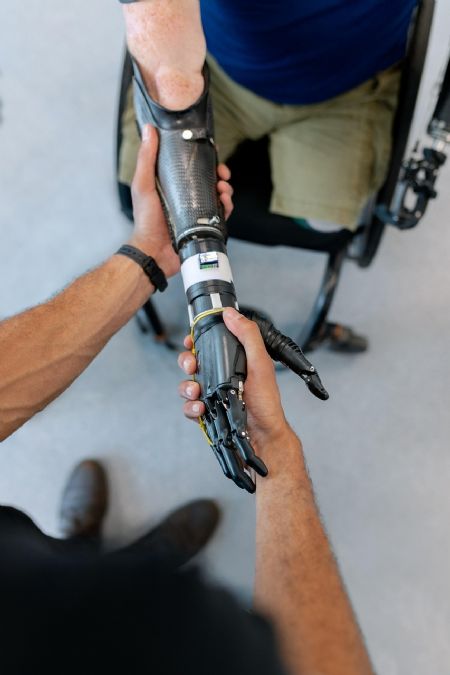
As Ireland’s med-tech industry grows, the demand for advanced motor technologies is increasing. Motors are integral to many devices that healthcare professionals and patients rely on daily. In imaging systems, such as magnetic resonance imaging (MRI) and computed tomography (CT) scanners, motors are critical in rotating and positioning components with extreme accuracy. Similarly, in personal medical devices — such as insulin pumps, hearing aids and prosthetics — motors provide the essential functionality that enhances patient outcomes and quality of life.
Mr Wong said: “The increasing complexity of medical devices and the demand for compact, efficient and customisable solutions have heightened the need for motors that combine precision, reliability and energy efficiency. These characteristics are essential to ensure optimal performance and align with the rigorous requirements of med-tech applications. In med-tech, precision is non-negotiable. Any deviation in movement can compromise the success of a procedure or diagnostic test.“
“Stepper motors are ideal for these scenarios, offering incremental, step-by-step movement that guarantees highly accurate positioning. This makes them indispensable for applications like robotic surgery and imaging systems, where precision is paramount.”
Noise reductionNoise reduction is also critical in healthcare environments, where unnecessary sound can disrupt patient comfort, distract professionals or interfere with sensitive diagnostics.
FAULHABER DC motors are designed to minimise vibrations and ensure smooth, silent operation, making them perfect for med-tech devices operating in quiet or sensitive settings.
As portable and battery-operated med-tech devices become more prevalent, energy efficiency is becoming increasingly important. Brushless motors excel in this regard, offering reduced friction and wear for extended operational life and optimised power consumption. This ensures reliable performance over longer periods, reducing the need for frequent maintenance or recharging. Beyond motors, additional components like precision gearheads, encoders and motion controllers enhance functionality, allowing manufacturers to create sophisticated devices that address evolving med-tech demands.
Mr Wong added: “The med-tech industry is entering a new chapter, often called ‘Healthcare 4.0’. This evolution is defined by integrating artificial intelligence (AI), the Internet of Medical Things (IoMT) and robotics, driving advancements in diagnostics, personalised medical care and real-time data analytics. Ireland is quickly positioning itself at the forefront of this transformation.
“The Government’s ‘Industry 4.0 Strategy 2020-2025’ outlines a vision for Ireland to become a competitive, innovation-driven manufacturing hub, emphasising the adoption and development of advanced technologies across various sectors, including healthcare. Approximately 200 companies in Ireland are engaged in digital health, including Deciphex, which is using AI to enhance diagnostic processes.
He continued: “Future demand will centre on these cutting-edge digital technologies, requiring motor solutions that can support increasingly complex applications. EMS is committed to supporting this transformation by providing ultra-miniature, robust motors that deliver exceptional precision, efficiency and reliability.
“By leveraging AI in motor design, EMS can simulate application-specific requirements, tailoring solutions to meet the precise needs of med-tech companies. This approach ensures motors are designed to meet exacting parameters, enhancing functionality and performance in even the most demanding environments.”
Mr Wong concluded: “The need for advanced motor solutions will grow as Ireland’s med-tech sector evolves. Embracing innovation, collaboration, and tailored solutions will enable manufacturers to meet the sector’s increasing demands, enhancing patient care and supporting the next generation of medical devices. Staying ahead of these challenges ensures continued success in a rapidly advancing healthcare landscape.”