The
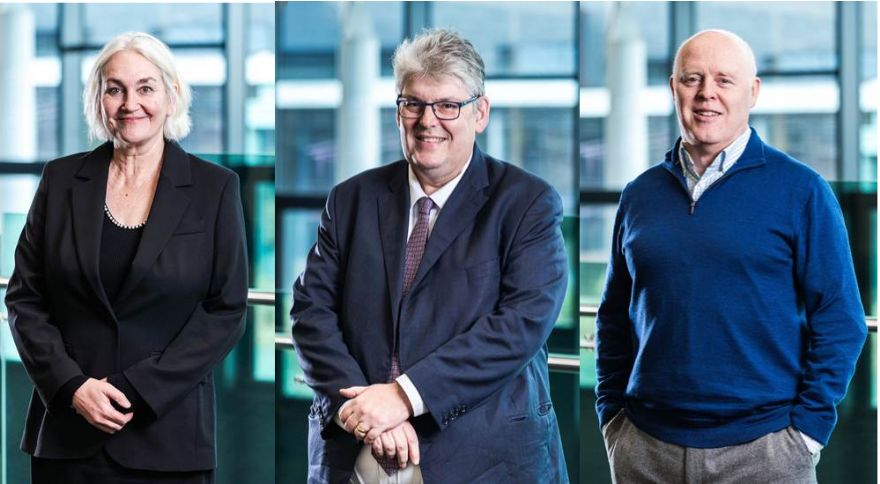
Manufacturing Technology Centre (MTC) has strengthened its leadership team with the appointment of Natascha Engel, Professor Paul Monks and Professor Rachel O’Reilly as non-executive directors to its board. The move underlines the MTC’s commitment to delivering the UK’s industrial strategy and driving innovation in advanced manufacturing. In addition, Professor Paul Conway FREng, already a non-executive director on the MTC’s board, has been named chair of the MTC Training’s board.
Natascha Engel brings a wealth of experience in public policy and governance, having served as CEO of Palace Yard and as Deputy Speaker in the UK Parliament. Her expertise in policy development, stakeholder engagement and strategic oversight will help ensure MTC remains aligned with the UK’s industrial priorities. She said: “Manufacturers need practical solutions to real challenges and that is where MTC makes a difference. I am delighted to join the board and help raise awareness of MTC’s impact. I look forward to being part of its work in helping to address national challenges and drive growth across the UK.”
Professor Paul Monks joins the board following a distinguished career in scientific and innovation leadership, including roles as chief scientific advisor to the Department for Energy Security and Net Zero (DESNZ) and the Department for Business, Energy and Industrial Strategy (BEIS), as well as pro-vice chancellor at the University of Leicester. His expertise in climate science, sustainability and technology-driven policy will support MTC’s mission to transform the UK’s industrial base with future-ready technologies.
He said: “Manufacturing is the backbone of the UK economy, and its future depends on embracing innovation and sustainability. MTC has a critical role in growing the industrial base, and I am excited by the opportunity to work with the organisation to create a competitive, resilient manufacturing sector for generations to come.”
Research breakthroughsProfessor Rachel O’Reilly, currently Professor of Chemistry and pro-vice chancellor for research at the University of Birmingham, one of MTC’s founding universities, also joins the board. She previously served as head of the school of chemistry and spent a decade at the University of Warwick, leading major research and leadership portfolios.
She said: “As a founding member of the MTC, the University of Birmingham's commitment to translating research breakthroughs into manufacturing innovation is well-established. I am proud to join the MTC board and strengthen this partnership. The UK's global leadership in manufacturing has deep roots in the West Midlands, and the MTC builds on that legacy, uniting expertise from academia and industry to advance solutions critical to our future, including in security, aerospace and energy.”
Professor Paul Conway FREng, Professor of Manufacturing Processes at Loughborough University, has been appointed chair of MTC Training’s board. His previous roles include Dean of the School of Mechanical, Electrical and Manufacturing Engineering at Loughborough and Director of EPSRC’s Innovative Electronics Manufacturing Research Centre and Centre for Doctoral Training in Embedded Intelligence.
He also chaired EPSRC’s Manufacturing the Future Strategic Advisory Team. Professor Conway said: “I’m delighted to be joining and chairing the MTC Training board, at a challenging but exciting time for developing manufacturing talent in the UK. MTC Training has already made an immense impact, and I look forward to working with its dynamic team in its continued drive to provide the highest quality training provision for UK industry.”
MTC chairman Dr Clive Hickman concluded: “We are delighted to welcome our new non-executive directors at a pivotal time for UK manufacturing. Their expertise in policy, innovation, sustainability and skills will be invaluable as we accelerate the adoption of cutting-edge technologies and close the gap between research and real-world industrial solutions. These appointments will support our efforts to enhance UK competitiveness, encourage economic growth and help shape strategies that keep industry resilient and globally competitive.”