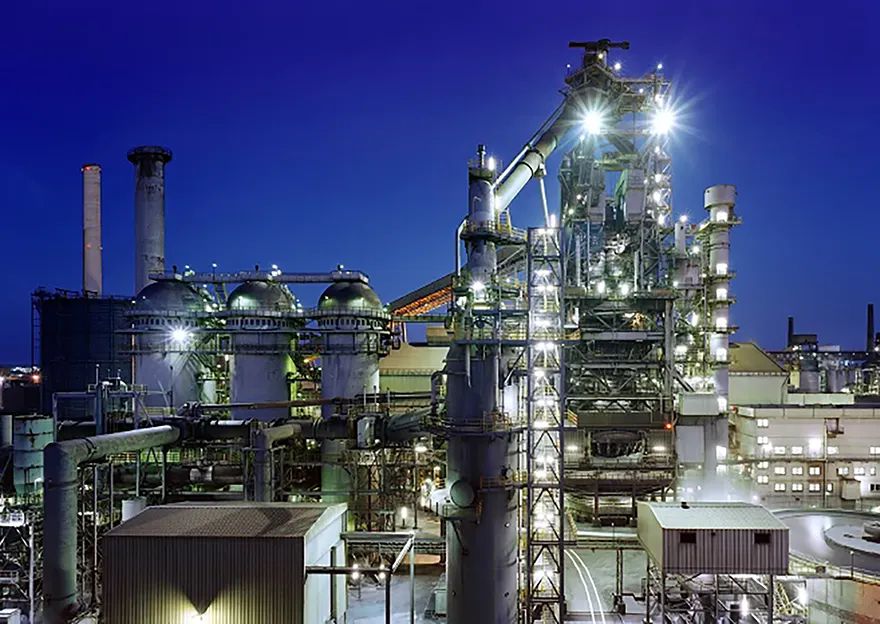
 Rogesa blast furnace at night. Photo: Dillinger
Germany-based
Dillinger has placed an order with
SMS group for a package of new Paul Wurth cast iron staves, along with several copper staves, for Rogesa blast furnace 5 in Dilingen, which produces around 2.5 million tonnes of hot metal per year. The equipment will replace the current copper staves and supports Dillinger’s strategic goal of extending the campaign life of the furnace.
Cast iron staves will be installed in the upper furnace zones, where they provide durable and efficient cooling performance, shielding the furnace shell from extreme thermal loads while contributing to stable process conditions and improved production efficiency. The decision to move predominantly to cast iron staves reflects Dillinger’s intention to align capital expenditure with expected service life. The existing Paul Wurth copper stave lining, commissioned in 2010, achieved a 16‑year service life, and the newly manufactured cast iron staves have been engineered to match Dillinger’s operational and performance criteria.
Lutwin Franziskus, SMS project manager, said: “We appreciate Dillingen’s continued trust and the long-standing working relationship. Moving predominantly to cast iron staves is a pragmatic decision to balance lifecycle needs and budgetary constraints. Our team is focused on delivering the agreed scope on schedule and supporting a smooth installation during the planned summer 2026 shutdown.”
Jürgen Hochhaus, Dillinger’s blast furnace operations manager, said: “SMS group has once again proven to be a reliable partner for our Dillingen site. Its quicker response and ability to meet our requirements on schedule were key factors in our decision.”
The new stave package is expected to enhance the efficiency and longevity of blast furnace 5, reinforcing Dillinger’s commitment to operational reliability while maintaining high‑level performance within one of Europe’s most important hot‑metal production operations.