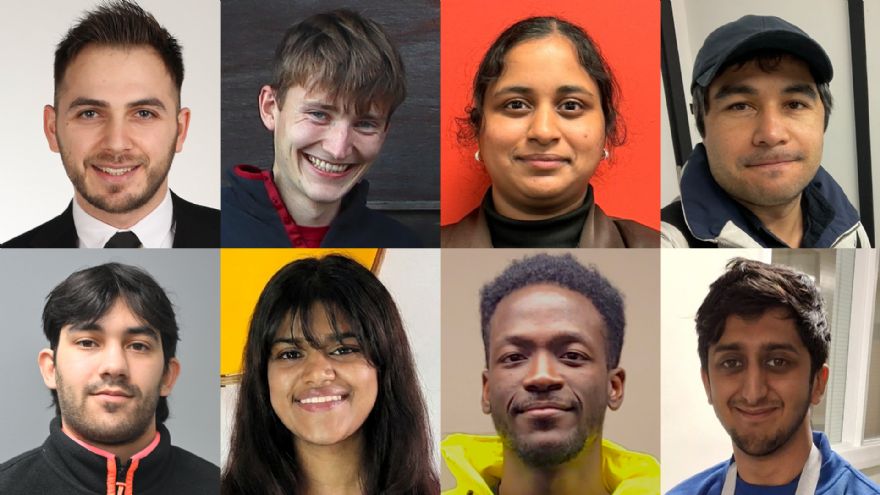
SME manufacturers are bringing artificial intelligence (AI), automation and digital twins onto the factory floor by teaming up with students and graduates through
Made Smarter’s Digital Internship Programme. The paid placements give businesses a fast, low-risk way to test and apply new technologies, modernise processes and build confidence in digital transformation, while giving students real, hands-on experience inside live manufacturing environments.
As
National Apprenticeship Week puts the spotlight on skills and early careers, the Government-backed adoption programme is showing how flexible, project-led internships can help businesses access specialist skills and explore technologies they would not otherwise have the time or capacity to pursue. Over the past year, Made Smarter North West’s latest cohort of 18 interns have worked directly on factory floors and within engineering teams, applying a wide range of digital technologies to real production challenges. These include robotics and automation, AI, data and analytics, CNC and CAD-to-CNC workflows, virtual reality and digital twins, system integration and wider workflow digitalisation.
While the programme is focused on skills development and technology adoption, early employment outcomes are beginning to emerge, with two interns already offered permanent roles as businesses look to retain digital capability and momentum. Donna Edwards, programme director for Made Smarter North West, said: “These digital internships are delivering exactly what manufacturers need, practical digital skills and fresh thinking, while giving students and graduates paid, hands-on experience on real industrial projects, and a direct stepping stone into employment. As
National Apprenticeship Week highlights the importance of developing future talent, our digital internships show how flexible, paid placements can play a vital role in strengthening the manufacturing skills pipeline.”
Across the programme, interns have supported manufacturers to trial robotic welding, integrate AI into product design, improve CNC process control, digitise legacy patterns and workflows, develop virtual factory models, and explore system integration projects that support future automation. In many cases, placements have enabled businesses to test ideas and technologies that would otherwise have remained out of reach.
Digital roadmap fast-trackedeyside Plastics, based in Oldham, has recruited Enoch Adediran, a robotics and automation student at the University of Salford, after he successfully explored how automation and other technologies could be deployed across its operations. Garreth Brown, business executive at Heyside Plastics, said: “Bringing in Enoch has helped us to fill a vital skills gap in the business and fast-track our digital roadmap. Enoch has been a revelation and the value he has already brought to the business in such a short time is immense.”
Enoch, 28, added: “The internship allowed me to gain valuable hands-on experience in plastics manufacturing and to see how automation can be applied in a real production environment. The placement has helped me develop my skills further in areas such as 3-D modelling and network architecture, while also giving me insight into how digital technologies can be used to improve manufacturing processes in practice.”
Other successful examples include Ritherdon & Co in Darwen, which worked with Sahil Hathi, an electrical engineering student at Newcastle University, to explore robotic welding and automation, and D Squared Product Development, based in Liverpool, who partnered with Anoushka Phillips, a product design student at Nottingham Trent University, to integrate AI tools into the product design process.
Since its inception in 2019, Made Smarter has supported over 2,500 manufacturers across the North West, providing access to expert digital advice, technology adoption roadmaps, skills development opportunities, and funded technology projects. To find out more about the Digital Internship programme and read the recent white paper, visit:
here.