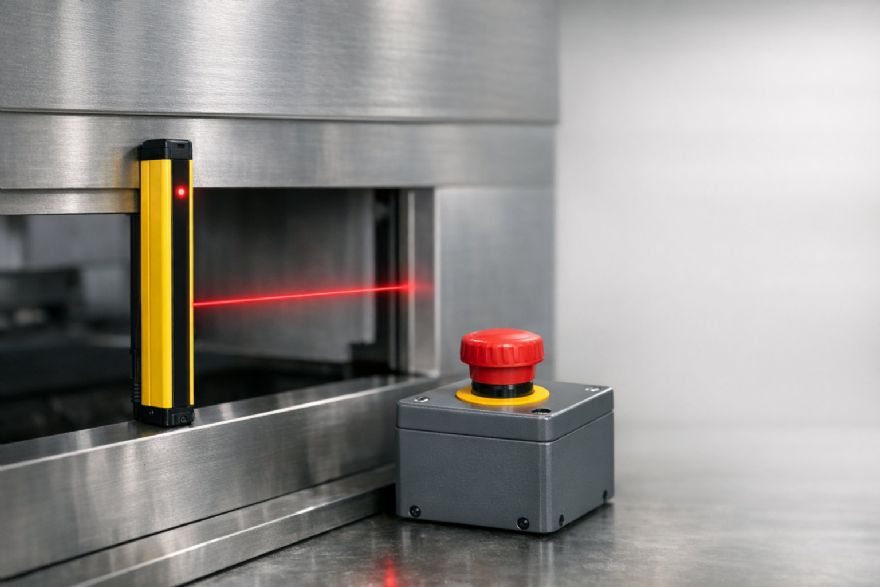
Guarding systems in metal shops have become increasingly advanced. Their primary role — safeguarding workers — remains critical as production speeds rise and machinery grows more complex. This article details how innovative guarding methods help prevent injuries in current metalworking environments.
Across the metalworking industry, protecting operators from machinery hazards is a persistent challenge. Presses, CNC machines, shearing equipment, and robotic cells all pose risks that can lead to serious incidents if not effectively managed. While many workplaces have moved beyond relying solely on traditional barriers, there is still an ongoing need for up-to-date protections. When considered alongside sophisticated guarding systems and broader
security services, effective oversight and design adaptation remain critical in preventing avoidable harm. With production teams often containing varied levels of experience, robust and adaptable guarding becomes essential for safe, efficient operations.
Why updated guarding systems are still essentialDespite improvements in machine design, pressing, cutting, and forming equipment in metal shops continue to create pinch points and expose workers to moving parts. Even with established safety protocols, operators may inadvertently bypass older guards if these interrupt workflow or complicate maintenance tasks.
Increasing throughput and automation place greater pressure on both equipment and employees. Paired with a workforce of mixed skill levels, gaps in knowledge or awareness can arise, increasing risks unless machine controls and guarding systems are modernised. Improved guarding acts as a frontline defence, reducing the likelihood of workplace injuries during metalworking operations.
Key advances shaping modern guarding technologyContemporary guarding systems now incorporate features that go well beyond simple physical barriers. Intelligent interlocks and safety-rated control components are standard, ensuring machines automatically shut down if a guard is removed or a door is opened during operation.
Advances in presence-sensing devices enable facilities to set up configurable safety zones tailored to specific tasks or changeovers. This adaptability allows employers to maintain high safety standards even as metal shop processes or equipment layouts are updated. Because these systems accommodate frequent adjustments, operators are less likely to bypass them, which helps balance safety with productivity.
Options for guarding widespread metalworking equipmentDifferent processes in metalworking require guarding tailored to the hazards involved. Press brakes and stamping lines often use light curtains and two-hand controls to help ensure operator safety while allowing hands-on positioning and setup. CNC machining centres frequently employ interlocked enclosures and access gates, preventing machines from starting unless key covers are safely closed.
Robotic welding stations and material handling areas benefit from laser scanners or pressure mats to detect personnel entering restricted zones. In manual finishing activities such as grinding and deburring, partial enclosures, adjustable screens, and local extraction systems reduce contact with moving parts and help control airborne particles. Applying well-maintained guarding to all these settings helps decrease accident potential in metal shops.
Integrating guards with everyday workflow and maintenanceEffective design considers how operators access guarded areas for tool changes, cleaning, or resolving equipment stoppages. Guards that allow quick, authorised access—but ensure machinery stops when open—are crucial, limiting downtime without compromising safety.
Minimising nuisance shutdowns while preserving rapid emergency response depends on careful calibration. Documentation and consistent inspections help keep guarding systems reliable, providing records that meet both company requirements and regulatory standards. Preventive maintenance is needed to prevent gradual performance loss that could reduce protection.
Human factors, training, and continuous improvementOperators may bypass guarding systems if they consider them inconvenient or if they cause delays. Improved ergonomic design, clear visual indicators, and straightforward signage help workers understand and adhere to safe operational boundaries.
Developing competence through regular safety refreshers, reinforcing safe procedures, and supervisor oversight builds a culture of accountability. Tracking leading indicators—such as near-miss reports, operational complaints, and routine system audits—allows ongoing refinement of safety practices to further reduce risk and support equipment uptime.