 Anemo Engineering
 is issuing a strong warning to airline and military engine maintenance teams about the continued use of non-dedicated, high-risk methods for removing and installing key-locking threaded inserts.
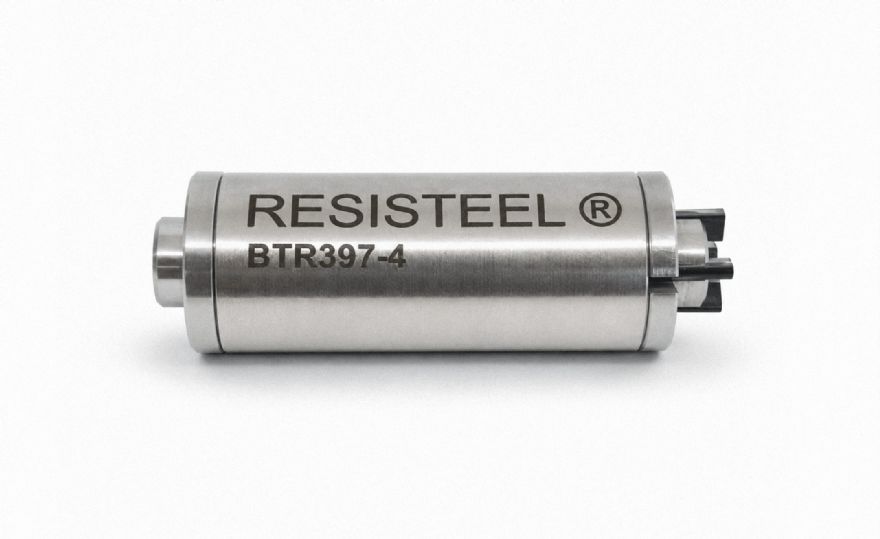
At the Farnborough International Airshow, the Belgian engineering specialist showcased three purpose-built Clinserts tools: the Extrakt Tool, the RESISTEEL Broaching Tool, and the PRO-Tool - designed to bring control, repeatability and safety to a process that remains vulnerable to human error.
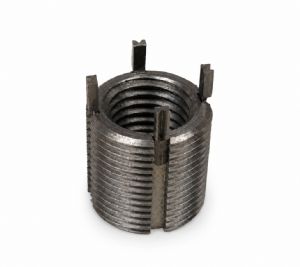 Pic: Inserts are used widely for aerospace fastening applications
Aircraft engines can contain hundreds of key-locking threaded inserts, each reinforcing critical bolted connections throughout the engine. When these inserts require replacement, the workflow typically involves extraction, pre-broaching and installation –steps that are still too often performed using improvised or generic tools. Such practices can introduce serious risks, including damage to parent material, misalignment, and the creation of metal debris that may fall into the engine.
Bart Vandezande, CEO of Anemo Engineering, said: “What surprised us most was not the number of inserts in an engine, but the lack of control in how they are removed. At that level, workshop guesswork is simply not acceptable. That’s why we engineered three specialised Clinserts tools that cover the full insert workflow, from removal to installation.”
The three tools are engineered for control, precision and repeatability. The Extrakt Tool provides a defined, repeatable method for removing worn or damaged inserts. The RESISTEEL Broaching Tool provides accurate hole preparation. The PRO-Tool enables technicians to install inserts and locking keys to the OEM-required depth of 0.01 to 0.03 inch - a level of precision not consistently achievable with current market tools.
Anemo Engineering are exhibiting at Stand 1157 at the Farnborough International Airshow.