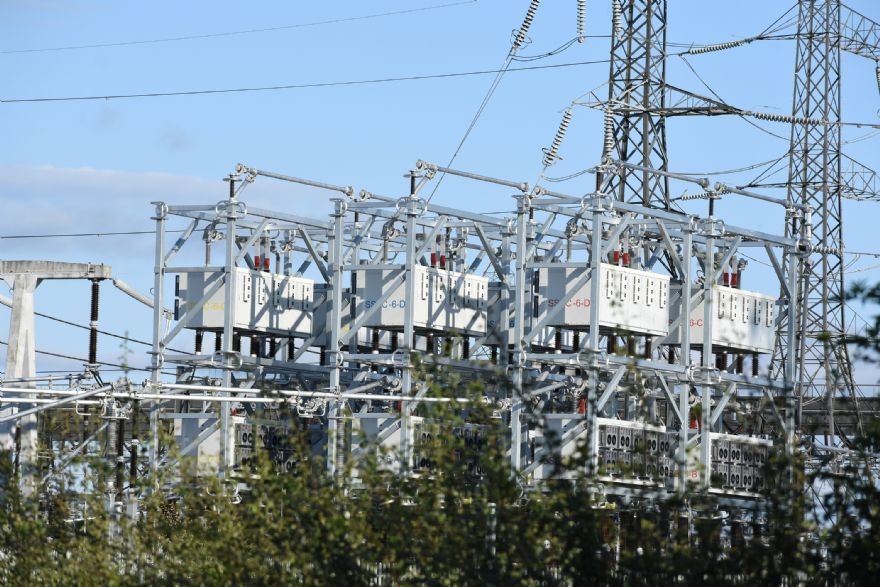
Manufacturing and engineering professionals face longer lead times for new power distribution equipment, and a circular approach to electrical equipment offers a practical alternative that industrial and utility operators already apply to transformers and switchgear.
That approach spans rental, reconditioning, repair, remanufacturing and recycling. Real projects from utilities to chemical plants show how each strategy works in the field.
Defining the circular economy for power distribution equipmentThe U.S. Environmental Protection Agency cites the Save Our Seas 2.0 Act in describing the circular economy as a systems-focused approach to keeping materials in use at their highest value, one that designs waste out of materials, products, systems and business models. In power distribution, that definition translates into a continuum of reuse and recovery strategies.
Transformers and switchgear can be managed through five strategies, each keeping equipment in service or returning its materials to production. Together, they cover an asset's life from the first outage to final material recovery:
● Rental: Temporary units keep operations running while teams source permanent solutions.
● Reconditioning: Used units return to reliable service after testing, oil processing and replacement of worn parts.
● Repair: Targeted repairs, such as replacing a failed bushing, address a single fault without replacing the whole asset.
● Remanufacturing: Teams rebuild retired units to like-new quality, often with updated components, for another service life.
● Recycling: End-of-life equipment yields copper, steel, aluminum and insulating oil for new production.
Aging infrastructure adds urgency, since the U.S. Department of Energy reports that large power transformers, among the largest units on the grid, typically reach the end of life after about 40 years. Quoted wait times of 36 months are common for replacements, and lead times of up to five years appear in the department's 2024 report to Congress.
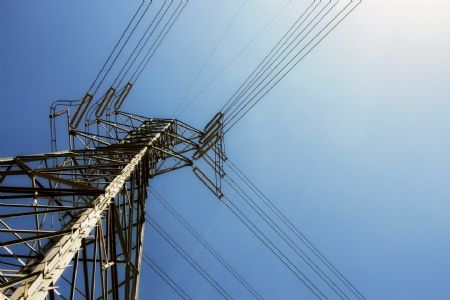
With replacement waits measured in years, rental can bridge the gap for a new unit while reconditioning or repair returns existing equipment to reliable service. Remanufacturing and recycling then pick up where those options leave off. That sequence lets planners match each asset's condition to the right strategy, rather than choosing only between waiting and buying.
Extending asset life through rental, reconditioning and repairSunbelt Solomon, a distributor of electrical equipment, shows how a single provider can connect every stage of the life cycle. Rental pickup and delivery, field service and equipment sales sit under one roof, which lets one outage move from rental through repair and end-of-life handling.
A 12 megavolt-ampere (MVA) substation transformer failed at a pharmaceutical facility in the middle of summer, threatening to halt production. Sunbelt Solomon answered with an integrated rental and sales response that put a 12 MVA unit in service while its sales team arranged a reconditioned replacement. The failed unit was then sent in for repair, with its return scheduled before year-end, placing the systems back online.
Another case study demonstrates a customer who needed a 50 MVA transformer on a tight timeline, so Sunbelt Solomon re-rated an inventory unit to meet the requirement. Its rental and field service teams delivered a reconditioned 50 MVA unit on schedule, even though reconditioning one that size normally takes 10 to 12 weeks.
In an instance when a transformer failed at the start of the weekend, work at a chemical plant in Pasadena, TX, stopped. The company proposed both a rental and a new stock transformer ready to ship, and the customer chose the permanent option. Its team handled an emergency transformer replacement end-to-end, including field service installation and on-site testing.
The company also worked with the customer to remove the older unit, a step that reflects its specialty in recycling and safely disposing of end-of-life electrical distribution equipment. That final stage treats retirement as part of the life cycle, and maintenance and repair of the new unit can stay with the same provider.
Remanufacturing transformers to avoid costly replacementsSince 2005, National Grid has worked with Northeast Transformer Services (NETS) in a long-term transformer remanufacturing partnership that has rebuilt more than 69,000 transformers. Most failed units now go to NETS rather than straight to component recycling, and units beyond repair still supply parts for other rebuilds.
National Grid reports about $4 million in annual savings through cost avoidance, and NETS estimates it rebuilds units to like-new quality at roughly half the price of new ones, with a better warranty. Buying fewer new transformers also helps keep ratepayer costs down.
The partnership has also recovered and reused 1.7 million gallons of mineral oil, 41 million pounds of metals and 5.9 million pounds of other materials. That recovery may reduce both disposal volumes and demand for newly produced material.
Repairing and retrofitting switchgearBeyond transformers, switchgear often anchors a facility's entire electrical system, so full replacement raises concerns about downtime, capital cost and installation complexity. Repair and retrofit work offers a circular alternative by keeping sound switchgear in service while upgrading worn components, such as breakers.
Wesco carried out a switchgear modernisation project at a paper mill, where 50-year-old equipment had replacement lead times exceeding a year. A site assessment found the existing structures in good shape, so a low-voltage breaker retrofit saved $700,000 compared with full replacement and proved faster to implement.
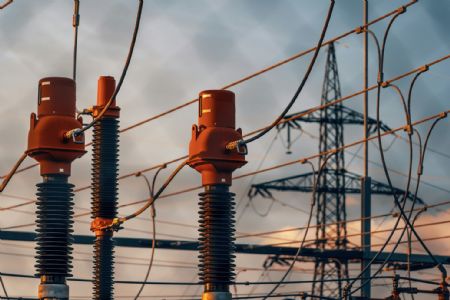
Building on that sound infrastructure, Wesco completed the work during planned outages and avoided the need for new conduit, cabling and major construction. The project also prevented unplanned downtime and improved electrical safety. For facilities running aging switchgear, that approach gives maintenance teams a repair-first option to weigh against full replacement.
Recovering materials through recyclingAt the end of a unit's service life, the recycling process separates copper, steel and aluminium from insulating oil and other materials for return to new production. Planning early lets owners sort retired units by condition, sending sound ones for resale or rebuild and the rest for material recovery.
In Sweden, Hitachi Energy and E.ON tested that approach in a closed-loop recycling pilot program for distribution transformers. Stena Recycling dismantled E.ON's decommissioned units, and a refiner purified the recovered mineral oil to meet an international quality standard.
Hitachi Energy then built 10 distribution transformers with that oil, and those units now serve the Swedish grid. The recycled fluid carries roughly 90% lower embedded carbon emissions than virgin mineral oil. At the transformer level, that may trim the carbon footprint by about 5% from material extraction through manufacturing and raise the share of recycled content by about 18%.
According to the National Institute of Standards and Technology, reported metal recycling rates in the United States stand at 34% for copper and 47% for iron and steel. Those figures cover metals broadly, not power equipment alone, but they indicate that a large share of copper, iron and steel goes unrecovered. That leaves room to improve recovery from retired assets.
Those gaps lead many asset owners to ask whether they can sell surplus electrical equipment for recycling. In many cases, yes, since scrap recyclers value copper and steel while reconditioning specialists seek units that test sound. Because older oil-filled units may contain polychlorinated biphenyls (PCBs), owners should review federal PCB disposal and storage rules before selling.
A smarter path for circular asset managementA circular approach to electrical equipment gives manufacturing and utility teams five options to weigh before defaulting to a new purchase order. Renting bridges outages while reconditioning, repairing and remanufacturing extend service life. Recycling then returns materials to production. Together, these strategies may shorten waits for new equipment and reduce demand for newly produced material.