The
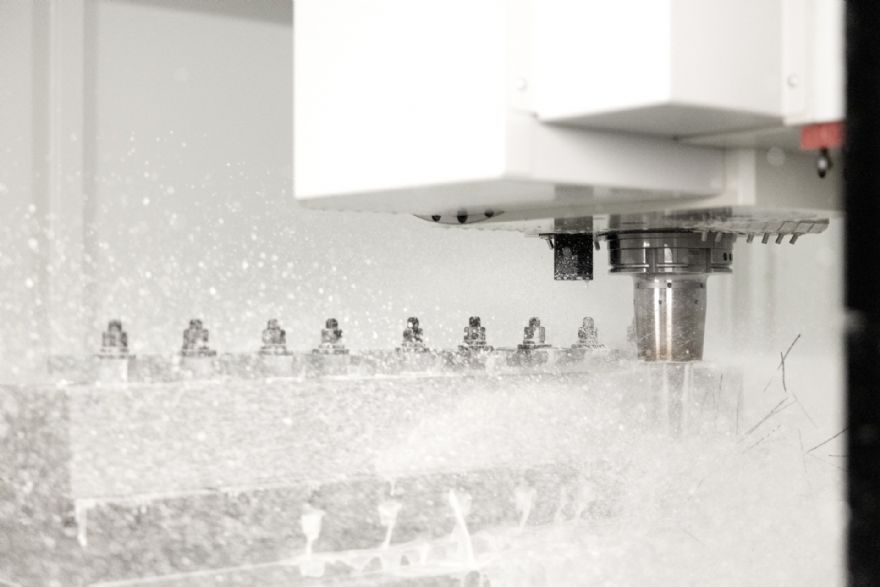
Starrag S1250 HD five‑axis machining centre, equipped with hydrostatic guideways, has demonstrated exceptional capability in titanium machining thanks to its combination of high rigidity and damping. Recent performance tests carried out at Starrag’s Rorschacherberg facility produced striking results.
Using a Starrag‑developed carbide cylindrical end mill cutter (dia 40, R1.24) with 18 teeth designed for high‑performance cutting, the team achieved a metal removal rate of 1,516 cm
3/min — figures Starrag believes may represent a world record for titanium machining. Even the prototype S1250 HD had previously shown its potential when cutting titanium structural parts. Roughing trials two years ago indicated that the hydrostatic‑guided version could achieve up to three-times the material removal rate of the STC 1250 variant equipped with roller bearings, while also delivering improved precision and surface finish due to enhanced damping and dynamic behaviour.
For the production model, Starrag engineers have implemented further refinements aimed at increasing removal rates and reducing tool wear. As overall stiffness and damping remain critical factors, both the machine bed and column have been reinforced, and the hydrostatic contact areas enlarged to boost rigidity.
The rotary table has also been redesigned with a gearbox drive, providing 25,000Nm of torque and 32,000Nm of clamping torque, meeting the demanding requirements of titanium machining. In addition, the compact swivel milling head has been extended on one side to accommodate a stronger A‑axis, offering 12,000Nm of torque and 20,000Nm of clamping torque while maintaining accessibility.
The machine features Starrag’s own 53kW gear spindle, delivering 1,600Nm of torque at up to 4,500rev/min. A key update is the introduction of the HSK‑B160 interface, chosen for its large contact surface and resulting tool rigidity—particularly important when working with significant cutting depths or extended‑reach tooling.
Starrag notes that the S1250 HD is well positioned for future machining demands, especially as near‑net‑shape processes reduce the amount of roughing required. The challenge increasingly lies in accessing deep, complex cavities with tools up to 500mm long and achieving high cutting performance in these conditions. The HSK‑B160 interface provides the support needed for such applications. Market response to the new concept has already been positive. Airbus has placed an order for five machines for its Varel facility, confirming strong industry interest in the S1250 HD’s capabilities.