 TaeguTec
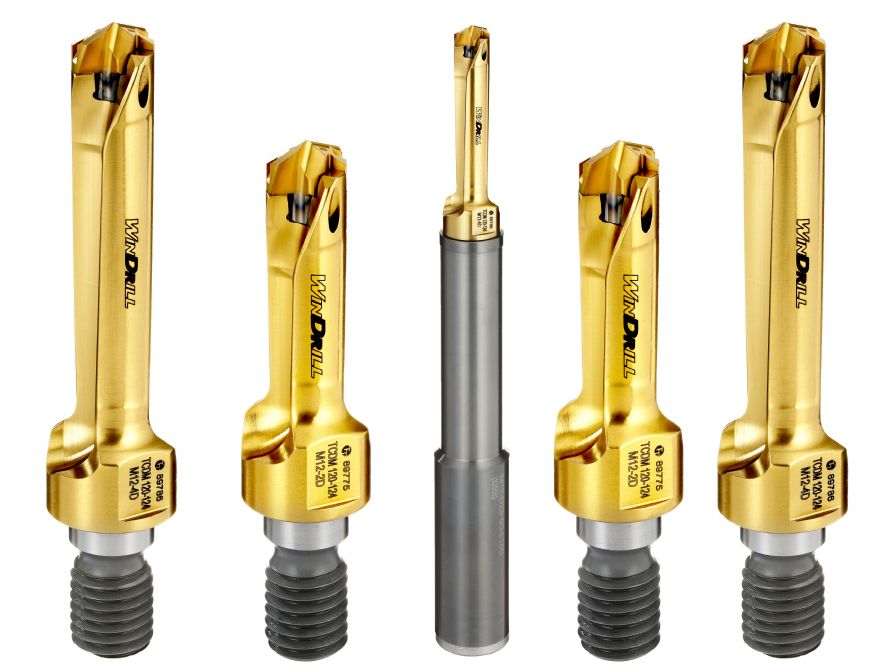
 has expanded its T‑FLEXTEC modular WINDRILL system with the launch of new 2xD and 4xD head‑changeable drill holders, extending the platform’s capabilities for deep‑hole machining and offering greater flexibility for applications where accessibility is restricted. The development builds on the company’s well‑established modular drilling series, enabling operators to switch drill heads quickly while maintaining consistent levels of accuracy and performance.
With the addition of the 2xD and 4xD holders, the system now provides a full range of drilling depths from 10 to 20.9mm in diameter, complementing the existing 3xD designs and giving manufacturers broader coverage across general and specialist production environments. The modular construction supports long‑overhang drilling without compromising stability, delivering reliable results in confined spaces where conventional drilling tools struggle to access the workpiece.
The new 2xD holders cover diameters from 10 to 15.9mm, while the 4xD versions extend the same diameter range for applications requiring deeper reach. The 3xD series continues to offer the widest spread of diameters from 6 through to 20.9mm and has been further refined with a reduced flange diameter and improved flute geometry. These adjustments decrease the flange size from 25 to 19mm and increase the effective cutting length, improving tool accessibility while preserving the rigidity essential for precision hole-making.
All holders in the WINDRILL range utilise an M12 thread connection and are fully compatible with existing T‑FLEXTEC shanks, ensuring seamless integration into established tooling systems. The modular approach minimises non‑productive time by allowing rapid head changes while maintaining repeatable performance over the complete diameter range.
Designed for versatility, the expanded WINDRILL line is suitable for challenging applications in steel, stainless steel, cast iron, non‑ferrous materials and high‑temperature alloys. TaeguTec also provides recommended cutting parameters across different material groups, with appropriate speeds ranging from 20 to 220m/min depending on the hardness and composition of the workpiece.