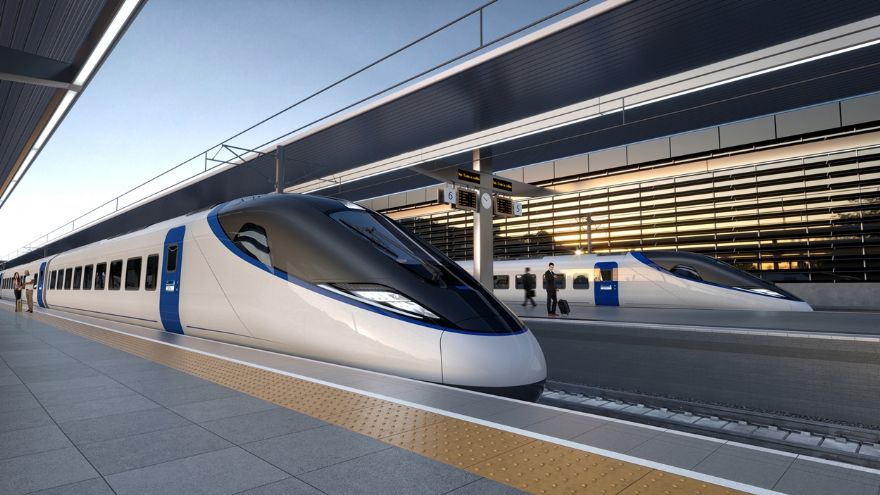
UK Transport Secretary Heidi Alexander has declared an end to what she described as an “era of neglect” on the
High Speed Two (HS2) project, announcing a comprehensive reset aimed at delivering the railway more quickly and at the lowest reasonable cost.
Setting out the Government’s revised approach, the minister confirmed that a new leadership team – including figures behind the delivery of London’s Elizabeth Line – had been brought in to restore control, improve productivity and establish realistic cost and delivery estimates after years of mismanagement and escalating budgets.
The Government now expects HS2 to cost between £87.7 billion and £102.7 billion. Around two thirds of the increase has been attributed to omissions in the original scope, underestimation by previous administrations and inefficient delivery, with the remaining third due to inflation.
Alongside updated cost projections, the project’s timeline has also been extended, with initial services between Old Oak Common and Birmingham Curzon Street now anticipated between 2036 and 2039. Full delivery, including a link to London Euston and connection to the West Coast Main Line, is expected between 2040 and 2043.
The Transport Secretary acknowledged frustration around the project, stating: “Taxpayers, passengers and communities along the route have been let down by years of mismanagement on HS2. I share their anger about the waste and mess, but I am proud that this government has worked with HS2’s new senior team to get this project off life support and on the road to recovery.”
She added: “We will get the job done but we will also take every opportunity to save time and money in the process, getting a grip on delivery, controlling costs, and stripping out the complexity that’s plagued the project in the past.”
One of the most significant technical changes is the decision to operate HS2 trains at 320 km/h (200 mph), rather than the previously planned 360 km/h (225 mph). The move aligns the railway with established high-speed systems in Europe and Japan and reflects the absence of suitable test infrastructure in Great Britain for higher speeds. The Department for Transport estimates the adjustment could save up to £2.5 billion and cut at least a year from the delivery programme.
HS2 Ltd chief executive Mark Wild said the reset had already delivered tangible improvements, including six major construction milestones achieved ahead of schedule in the past year, alongside a reduction of 300 bureaucratic roles and a review of contracts to improve value for money.
He said: “Resetting HS2 was the only way to regain control of the project. We have turned a corner in the last 12 months with significantly improved levels of productivity, helping us to deliver major milestones ahead of schedule.”
Despite the increased cost and extended schedule, the government remains committed to completing the line between London and Birmingham, noting that analysis suggests cancelling the scheme could cost as much as finishing it while delivering none of the anticipated benefits.
These benefits include significant capacity increases on the West Coast Main Line, faster journeys – cutting around 30 minutes from current London–Birmingham travel times – and wider economic gains. Forecasts indicate HS2 is expected to contribute approximately £20 billion to the economy over the next decade around key sites in the West Midlands and west London, alongside 63,000 new homes and more than 49,000 jobs.
The reset will be guided in part by findings from a comprehensive review by Sir Stephen Lovegrove into the Civil Service’s role in the project. The government has confirmed it will consider the report’s recommendations in detail as it continues to reshape the programme.