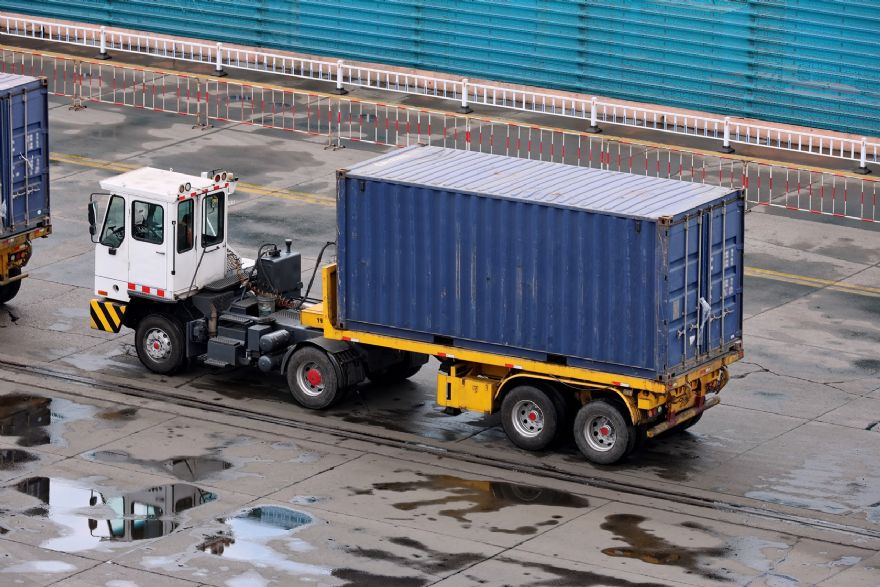
The smooth operation of modern supply chains depends on the efficient movement of goods through ports, warehouses and distribution centres. Behind the scenes, trailers and containers are constantly being repositioned to keep products flowing from manufacturers to customers. In these busy environments, terminal tractors have become an essential piece of equipment, helping operators maximise productivity and reduce delays.
Designed specifically for short-distance trailer and container movements, terminal tractors are built for frequent stopping, reversing and manoeuvring in confined spaces. Unlike conventional road trucks, they are optimised for yard operations, enabling logistics facilities to move cargo quickly and efficiently.
This growing importance is reflected in market trends. According to
Polaris Market Research, the global terminal tractor market was valued at USD 816.88 million in 2025 and is projected to reach USD 1.21 billion by 2034, growing at a CAGR of 4.5% between 2026 and 2034.
Supporting faster operationsAs global trade, containerised freight and e-commerce continue to expand, logistics operators face increasing pressure to move more goods in less time. Warehouses and distribution centres must handle greater volumes while meeting rising customer expectations for fast delivery.
Terminal tractors play a key role in improving yard efficiency. Their ability to quickly reposition trailers helps reduce congestion, improve turnaround times and keep goods moving through the supply chain. Every minute saved within a logistics yard can contribute to higher productivity across an entire operation.
The growth of e-commerce has made efficient yard management even more important. With fulfilment centres processing thousands of orders each day, delays caused by slow trailer movements can quickly affect delivery performance. As logistics networks become larger and more complex, demand for reliable terminal tractors is expected to remain strong.
The rise of electrificationOne of the most significant developments in the market is the growing interest in electric terminal tractors. While diesel-powered models accounted for 53% of market revenue in 2025, electric alternatives are gaining attention as businesses seek to reduce emissions and lower operating costs.
Electric terminal tractors can offer reduced maintenance requirements due to having fewer moving parts than traditional diesel vehicles. They also support corporate sustainability goals by helping operators cut carbon emissions across their logistics activities.
The transition to electric fleets will take time, with challenges including charging infrastructure, battery capacity and operational scheduling. However, continued advances in battery technology are expected to accelerate adoption in the years ahead.
Technology is also reshaping the capabilities of terminal tractors. Telematics and connected fleet-management systems allow operators to monitor vehicle performance, track utilisation and make better fleet-management decisions. Meanwhile, AI-powered systems are being explored to optimise routes, improve safety and support increasingly automated yard operations.
Growth and innovation Demand for terminal tractors varies across applications. Heavy-duty models accounted for the largest market share in 2025, representing 58% of revenue, driven by the needs of ports, intermodal terminals and large logistics hubs. Medium-duty models are also gaining momentum, offering a balance of performance and efficiency for a wide range of operations.
Regionally, North America remained the largest market in 2025, accounting for 34% of global revenue. However, Asia Pacific is expected to record the fastest growth through 2034, supported by rapid industrialisation, expanding trade activity and significant investment in transport infrastructure.
As the logistics sector evolves, businesses are looking beyond simple load-moving capabilities. They increasingly require equipment that improves productivity, reduces operating costs, supports sustainability targets and integrates with digital fleet-management systems.
With electrification, automation, AI and connectivity continuing to advance, terminal tractors are becoming smarter and more capable than ever before. As the market moves towards an estimated value of USD 1.21 billion by 2034, these specialised vehicles are set to play an increasingly important role in building faster, more efficient and future-ready supply chains.
To find out more visit Polaris market research:
www.polarismarketresearch.com